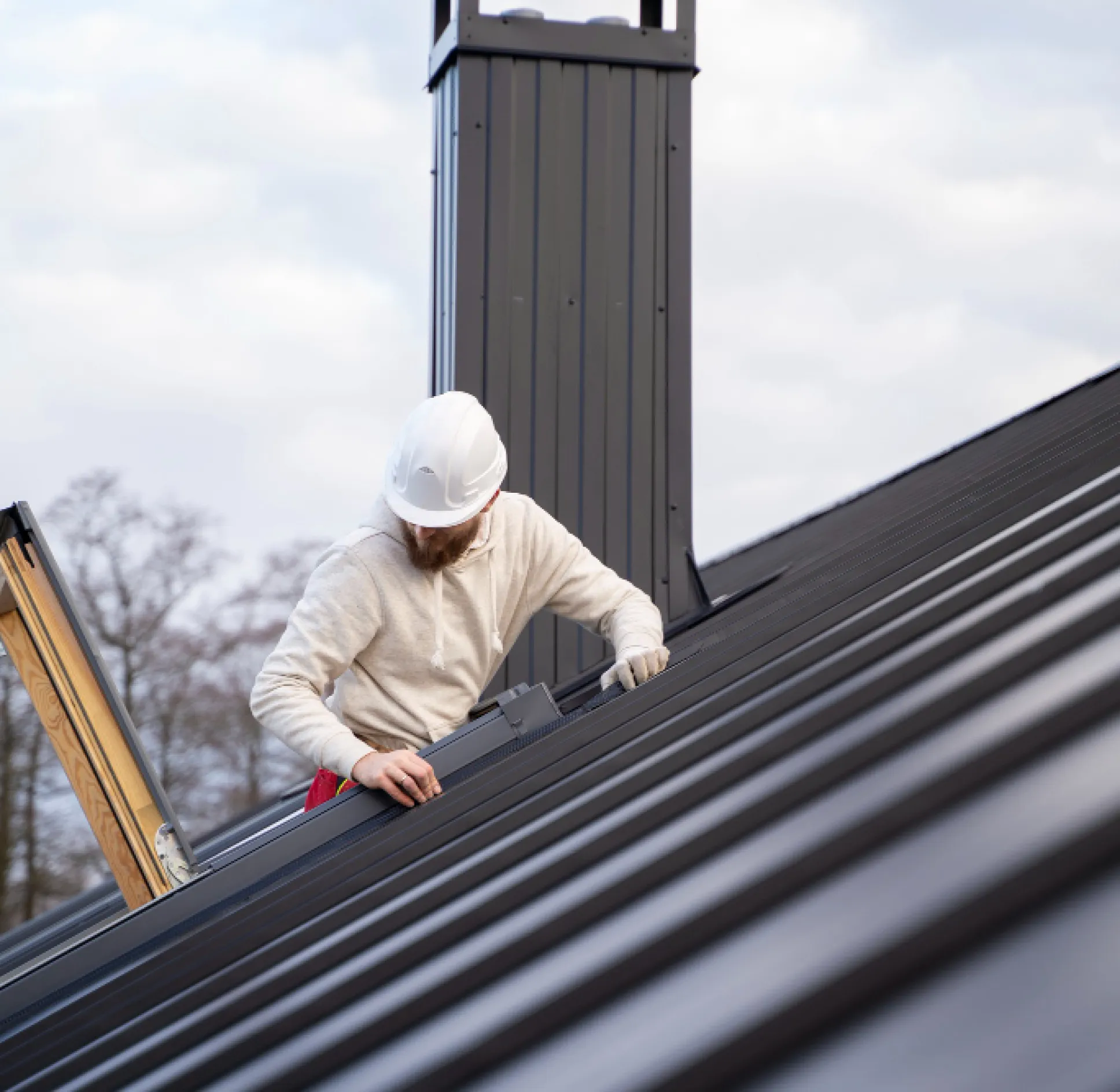
Roofing SEO marketing: A practical growth system for roofing businesses to build local visibility, attract qualified enquiries and turn demand into booked conversations across the USA, Australia and Ireland. For a concise commercial overview of the connected acquisition and conversion layer, see our roofing marketing agency services for qualified leads.
roofing marketing agency: A clear, practical system for service businesses to capture demand, route enquiries and create consistent follow-up across the USA, Australia and Ireland.
Strong execution connects positioning, useful content, paid growth, website conversion, CRM ownership and reporting. Owners need a dependable process that makes every lead visible, gives every enquiry a next step and supports a better customer experience from first click to booked conversation.

Roofing Marketing Agency & SEO for US Roofers
Hashes Agency helps roofing company owners and marketing teams improve the path from organic discovery to qualified enquiries, inspection bookings and estimate follow-up. Our work connects roofing SEO, useful social content, conversion-focused websites, paid advertising management and CRM automation. We work with roofing businesses seeking marketing support—not homeowners looking for a roofing contractor.
Whether you need an SEO partner for a roofing business, a roofing marketing agency to manage content and acquisition, or help converting existing enquiries, the starting point is the same: map the customer journey and identify what is losing good opportunities. Results depend on your market, offer, site and sales process; no agency can responsibly guarantee a particular Google ranking or number of jobs.
Roofing Marketing Services Built Around Qualified Jobs
A roofing marketing partner should connect the channels a customer sees with what your office and estimators can actually deliver. Rather than selling generic traffic reports, Hashes Agency can scope the following services around your roofing business:
- Roofing SEO and local search strategy: audit technical foundations, map residential or commercial roofing services to real buyer questions, improve useful service pages and support legitimate location visibility.
- Organic social media management: plan relevant project explainers, permission-approved job photos, educational short videos and consistent branded publishing that builds buyer confidence.
- Google and Meta Ads management: align search or social campaigns with roofing offers, lead forms, landing pages and real enquiry tracking; paid advertising is an optional service, not an organic ranking shortcut.
- Roofing websites and conversion improvements: clarify repair, replacement, restoration and commercial service journeys; make forms, mobile actions and quote requests straightforward.
- Lead follow-up, CRM and automation: assign each enquiry, keep inspection and estimate stages visible, and use responsible reminders and human handoffs.
For roofing companies considering an agency: the sensible first step is a focused review of your existing website, lead sources and follow-up process. Discuss your roofing marketing priorities with Hashes Agency and choose only the services that address a verified bottleneck.
Start With the Roofing Buyer Journey
Before choosing another marketing channel, map what happens from the first search to the signed job. A simple journey normally includes:
- Discovery: the buyer finds the company through search, maps, referrals, social content or advertising.
- Evaluation: the buyer checks services, location coverage, licensing or insurance information, project evidence and reviews.
- Enquiry: the buyer calls, submits a form or requests an inspection.
- Qualification: the team confirms service area, job type, urgency and any relevant insurance context.
- Inspection or estimate: an owner is assigned and the next appointment is made clear.
- Follow-up: the buyer receives useful, consent-aware communication until a decision is made or the conversation should stop.
When this journey is not documented, companies often buy more traffic while the real problem sits between the form, phone, inbox and estimator.
Roofing SEO Should Match Real Services and Real Locations
A roofing website needs a clear page for each meaningful service buyers can actually purchase. Residential replacement, commercial roofing, storm restoration and repair may deserve separate pages when the offer, proof and customer questions are genuinely different.
Location pages require the same standard. A useful location page should contain accurate service coverage, locally relevant constraints, appropriate project evidence, a clear contact route and information that helps a buyer decide. Repeating the same copy across dozens of city names creates little value and can weaken trust.
A practical page structure
- A descriptive title and heading that match the service.
- A concise explanation of who the service is for and what happens next.
- Real project photographs, process visuals or permission-safe examples.
- Specific answers about inspections, estimates, materials, timelines and service boundaries.
- Visible business information and a direct call or form action.
- Contextual links to related services instead of a disconnected set of pages.
Google’s systems are designed to reward helpful, reliable, people-first information. The strongest roofing content therefore explains a real decision better than competing pages; it does not simply repeat a keyword.
Use AI to Support the Work, Not Invent the Work
AI can help organize interview notes, summarize call themes, categorize enquiries or produce a first outline. It should not invent projects, prices, licenses, customer statements, locations or performance results.
A responsible workflow keeps a person accountable for the final page:
- Collect source material from the contractor or operations team.
- Separate verified facts from ideas that still need confirmation.
- Use automation to structure the material where helpful.
- Review every claim for accuracy, usefulness and brand fit.
- Add original photographs, examples or explanations that a generic model cannot know.
- Publish with a clear author or reviewer where readers would reasonably expect one.
This approach creates content that can help a buyer even if the buyer never arrives through a search engine.
Build the Website Around Conversion Clarity
A roofing landing page should answer four questions quickly: Am I in the right place? Does this company handle my type of roof or problem? Why should I trust the process? What should I do next?
Elements worth checking
- Message match: the page reflects the service and intent that brought the visitor there.
- Mobile usability: phone numbers, forms and primary actions work comfortably on a small screen.
- Proof near the decision: relevant work, process detail and verifiable business information appear before the final CTA.
- Short forms: collect only the information needed to route the enquiry. Additional qualification can happen after acknowledgement.
- Expectation setting: tell the visitor what will happen after submission and when a human response is normally available.
- Accessible choices: offer a phone route for urgent buyers and a form route for those who prefer written contact.
For a deeper implementation path, see our roofing lead follow-up and CRM automation guide.
Stop Lead Leakage Before Buying More Leads
The most useful automation is usually small and visible. It reduces delay without pretending that a software sequence can replace judgment.
1. New enquiry acknowledgement
Confirm that the request was received, state the next step and create a record with a clear owner. The acknowledgement should not promise an inspection time or service outcome that has not been confirmed.
2. Missed-call recovery
When the team cannot answer, a concise response can invite the caller to describe the property, service need and preferred contact time. A human still owns the conversation.
3. Inspection and estimate reminders
Reminder messages should include the scheduled time, preparation details and a simple rescheduling path. This is more useful than repeated generic reminders.
4. Estimate follow-up
Follow-up should help the buyer make a decision. Clarify the scope, answer outstanding questions and give the estimator a task. Stop or change the sequence when the buyer replies, books, declines or opts out.
5. Long-term reactivation
Past enquiries may benefit from occasional, relevant communication, but consent, frequency and context matter. A separated reactivation list is safer than leaving every contact in an endless sales sequence.
Our broader lead follow-up automation service explains how these handoffs can be mapped before software is configured.
A Roofing Lead Leakage Scorecard
Use a small scorecard that connects marketing to operations. Review it by source and service, not only as a site-wide total.
- Qualified enquiries: enquiries inside the service area that match an offered service.
- First-response time: time from enquiry to the first useful human response.
- Contact rate: the share of qualified enquiries that become a two-way conversation.
- Inspection or estimate booking rate: the share of qualified enquiries that schedule the next meaningful step.
- Show rate: the share of booked appointments that take place.
- Estimate follow-up completion: whether assigned follow-up tasks occur when promised.
- Signed-job rate: the share of qualified opportunities that become customers.
- Revenue quality: job value and fit by source, assessed with the sales outcome rather than traffic alone.
Impressions and clicks still help diagnose visibility, but they are not enough to prove business growth. A useful reporting chain connects search query or campaign, landing page, enquiry event, lead record and final outcome.
Where Paid Growth Fits
Paid search and social campaigns can accelerate learning when the offer, landing page and follow-up route are already dependable. They can also expose weak handoffs quickly. A campaign that generates enquiries but no reliable ownership or response process is likely to waste budget.
Before scaling spend, confirm the service area, conversion action, call handling, form delivery, qualification rules and reporting ownership. Our paid growth support is structured around that readiness rather than traffic volume alone.
Roofing Marketing for US Contractors: Match the Plan to the Job Mix
A residential replacement company, a storm-restoration contractor and a commercial roofing provider should not receive an identical marketing plan. The buyer, time to decision, proof required and handoff to an estimator are different. Before committing to a roofing marketing agency, clarify which work you want more of and which enquiries your team can actually serve.
- Residential repair and replacement: prioritise clear service-area coverage, location-eligible local SEO, genuine reviews, mobile calls and estimate-request paths. Show approved before-and-after photos and explain how a homeowner schedules an inspection.
- Storm restoration and insurance-related work: separate urgent service questions from general maintenance; clarify coverage, response expectations and claim-related boundaries without implying that a marketing agency handles insurance decisions.
- Commercial roofing and maintenance: explain roof-system capabilities, facilities-team buying criteria, documentation requests and longer evaluation cycles. Optimise for qualified property and facilities enquiries rather than only high call volume.
What a Focused First-Month Roofing Marketing Plan Can Cover
The exact scope depends on the company’s existing website, operating market, available evidence and budget. A practical first-month engagement can prioritise these checkpoints rather than promise immediate rankings or a fixed number of jobs:
- Website and search baseline: review Search Console queries, relevant service pages, internal links, indexing, local listing eligibility and the contact experience.
- Buyer-intent map: select the roofing services and service areas supported by the business; separate residential, storm and commercial intent when the evidence justifies it.
- Conversion-path review: test a genuine form enquiry or call route, handoff owner, inspection request and estimate follow-up before increasing advertising spend.
- Prioritised action list: agree the page, content or workflow changes that address the largest verified bottleneck, then track search visibility and confirmed qualified enquiries separately.
For related implementation detail, read our roofing lead follow-up and CRM guide and explore our process and results examples, distinguishing illustrative workflows from independently validated client outcomes.
How to Choose a Roofing Marketing Partner
Ask a prospective partner to explain the system, not just the channel. Useful questions include:
- Which buyer problem will each page or campaign address?
- How will calls and forms be tested from start to finish?
- Who owns the lead after it arrives?
- Which claims or assets must come from the roofing company?
- How will duplicate, irrelevant or out-of-area enquiries be handled?
- Which metrics connect visibility to inspections, estimates and signed work?
- What will be changed if traffic rises but qualified opportunities do not?
A credible plan should also state what it will not do: fabricate reviews, generate thin location pages, invent project results or purchase links solely to manipulate rankings.
Frequently Asked Questions
What should a roofing marketing agency do for my roofing company?
A roofing marketing agency should connect measurable customer acquisition to your team’s ability to answer calls, qualify jobs, book inspections and follow up on estimates. The right scope might include roofing SEO, organic social content, paid ads, roofing website improvements or CRM workflows. Choose services based on the actual constraint, not a generic all-in-one package.
Do you provide SEO services for roofing companies across the USA?
Hashes Agency offers remote marketing and SEO support for US roofing businesses. Our USA digital marketing and SEO approach connects industry-specific organic search, social content, paid campaigns and lead follow-up to help roofing teams reach the right customers. Local search strategies must reflect each contractor’s real business locations and service coverage. We do not create fictional US office locations or guarantee a top Google position.
How is hiring a roofing marketing agency different from buying roofing leads?
A lead seller may provide access to enquiries from its own channels. An agency can instead help strengthen the roofing business’s website, branded content, search presence, campaign measurement and follow-up process. Ask how leads are sourced, attributed, qualified and handled before paying for either approach.
Can we start with roofing SEO and add social media or ads later?
Yes. A focused engagement can begin with technical SEO, useful roofing service pages and conversion tracking, then expand to social media management, advertising or CRM when the bottleneck and budget justify it. SEO is a longer-term channel and should be measured alongside the quality of enquiries.
How long does roofing SEO take?
There is no universal timeline. Competition, site history, technical condition, location, content quality and existing authority all affect progress. Early technical or indexing changes may appear before commercial rankings and qualified enquiries. Track trend lines over time and judge the work by both search visibility and lead quality.
Should a roofing company create a page for every city?
Only when each page serves a real audience with useful, location-specific information. Replacing city names in otherwise identical copy is not a durable strategy. Start with the locations and services the company can substantively support.
Can AI-written content rank?
The production tool is not the main quality test. The finished page must be accurate, original, helpful and created for people. AI-assisted material still requires accountable review, real source information and added value.
Should reviews contain target keywords?
Customers should describe their experience naturally. Do not script keyword-heavy reviews or pressure customers to use specific language. Make the review request simple, timely and honest.
What should be automated first?
Start with the highest-friction handoff that can be clearly measured: new-enquiry acknowledgement, missed-call recovery, appointment reminders or estimate follow-up. Define ownership and stop rules before adding messages.
Get a Focused Roofing Marketing & Lead Conversion Review
If you own or manage a roofing company in the United States, we can review how potential customers discover your business, whether your roofing SEO and content match the jobs you want, and what happens after each call or form submission. The aim is a practical, prioritized next step—not a promise of instant rankings or guaranteed sales.
Start with three questions: Which roofing services and markets matter most? Where are qualified enquiries coming from today? What happens between the first enquiry and a booked inspection or estimate?
Request a Roofing Marketing Strategy Review → or explore the US service businesses we support.
roofing seo marketing for service businesses
roofing seo marketing helps teams respond quickly, qualify demand and move qualified enquiries toward a booked conversation.
Roofing SEO marketing that supports booked work
Roofing SEO marketing should connect local search, useful service pages, proof, calls and follow-up. A focused roofing SEO marketing plan gives owners a clearer view of which sources create qualified opportunities and which improvements reduce lead leakage.
