

Menu
Lincoln Heights Apartments: from maintenance request to accountable action.
An illustrative multi-family maintenance intake framework showing how resident requests can be categorized, routed and followed up through one visible workflow.
Publication status: illustrative sector-system page. No client identity, official website or independently verified outcome was established in the supplied materials.
Turn maintenance requests into a controlled service path.
Multi-family teams need a way to distinguish urgent issues, routine maintenance and complete handoffs. The framework makes that progression visible.
The page is explicitly illustrative: the supplied materials did not establish an official property website, brand permission or native result evidence.
Explore related CRM management and AI automation, paid advertising management and small-business SEO services.
One maintenance intake workflow for every resident request.
The 3D console illustrates the system pattern only. It is not a property-management platform export or a client dashboard.
Request record
Capture the maintenance context clearly.
Priority routing
Direct the issue to the right team and urgency path.
Ownership visibility
Keep the responsible next action obvious.
Resolution review
Improve the workflow without exposing resident data.
Make the conversion system visible.
A context-matched view of the acquisition, follow-up and reporting components relevant to this case-study system.
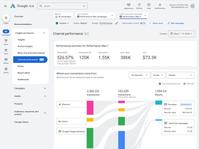
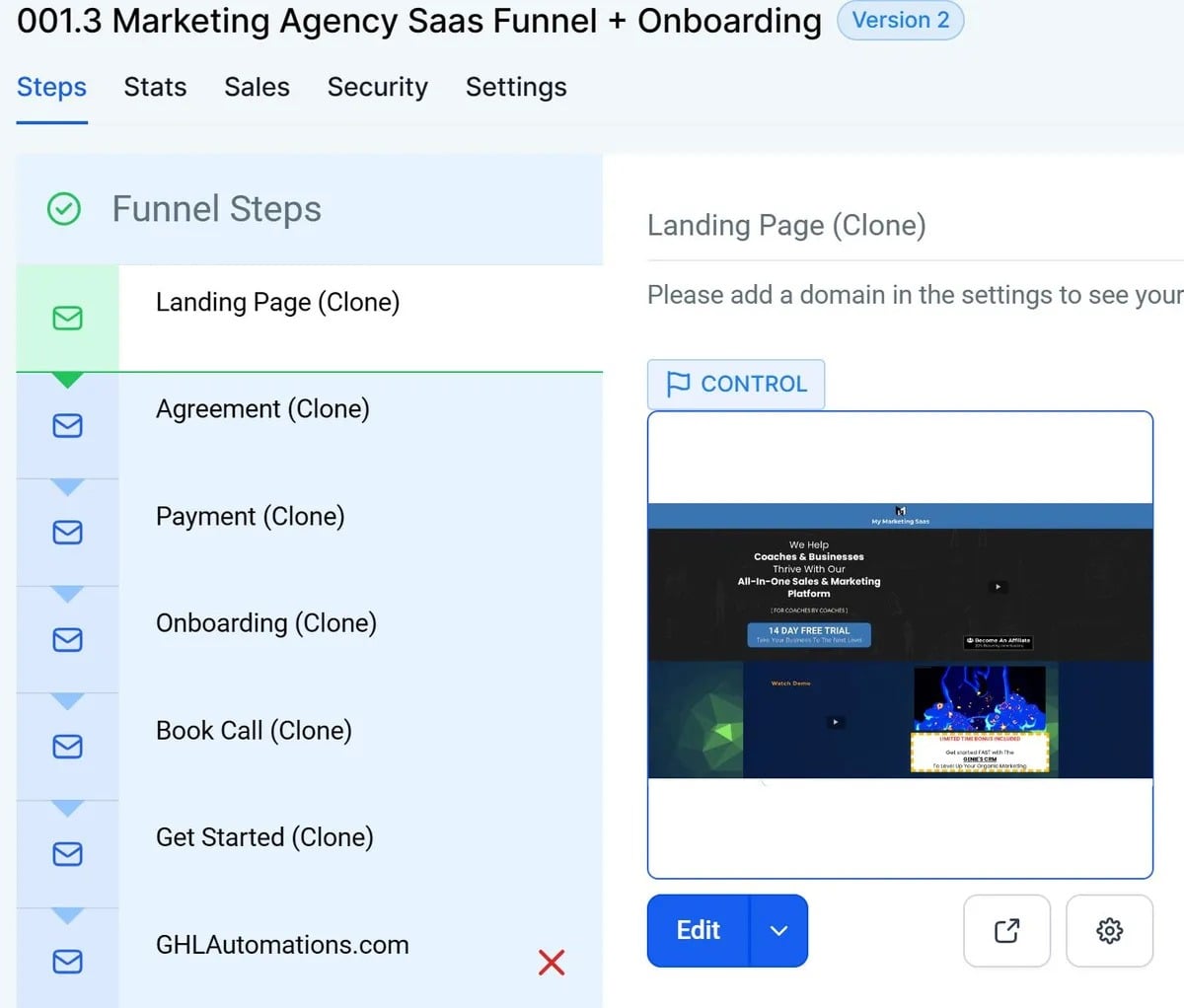
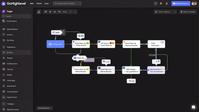
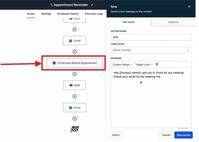
Reference visuals are selected from the approved implementation library. They illustrate platform interfaces and workflows, not authenticated client exports or a claim of identical results.
Premium presentation, evidence-safe publishing.
Every case-study page needs to distinguish what was built, what was measured, and what still requires permission or verification.
Business context and delivery focus are taken from the supplied portfolio entry.
The page explains intake, routing, follow-up and outcome visibility without presenting a schematic as a live dashboard.
Any performance claim remains illustrative or source-based until native evidence is approved.
Confirm permissions for brand, client name and customer-facing evidence before promotion.
Add an approved, redacted native report only after privacy and rights review.
Test mobile layout, links, contrast, alt text and public-claim wording before promotion.
Proof first. Testimonial when approved.
No named-client testimonial is presented. This review slot remains intentionally empty rather than implying endorsement.
Awaiting approved testimonialAdd only after written permission and exact wording are confirmed.
This is an illustrative implementation framework, not a public claim about a named client’s performance.
Illustrative system pagePrepared with evidence boundaries visible.
READY TO BUILD THE NEXT VERSION?
