
Menu
CRM audit & repair: from broken handoffs to an owned operating system.
A workflow framework showing how a CRM audit can locate pipeline gaps, repair routing and establish clearer ownership without claiming a named-client result.
Publication status: illustrative system. This page illustrates a platform workflow and is not a client result, customer endorsement or independent performance claim.
Make hidden CRM leakage visible before buying more leads.
The workflow starts with a structured audit of records, routing and follow-up rules. It then defines repair actions and a visible monitoring layer.
This is an illustrative system. No real client CRM, account screenshot or client performance claim is represented.
Explore related CRM management and AI automation, paid advertising management and small-business SEO services.
A repair system for the operating layer behind lead conversion.
The 3D dashboard is a visual explanation of CRM audit logic—not a client account or verified before-and-after report.
Record health
Check fields, ownership and stage integrity.
Workflow controls
Repair missing or conflicting automation rules.
Handoff visibility
Make every active next step visible.
Ongoing QA
Review leakage and exceptions routinely.
Make the conversion system visible.
A context-matched view of the acquisition, follow-up and reporting components relevant to this case-study system.
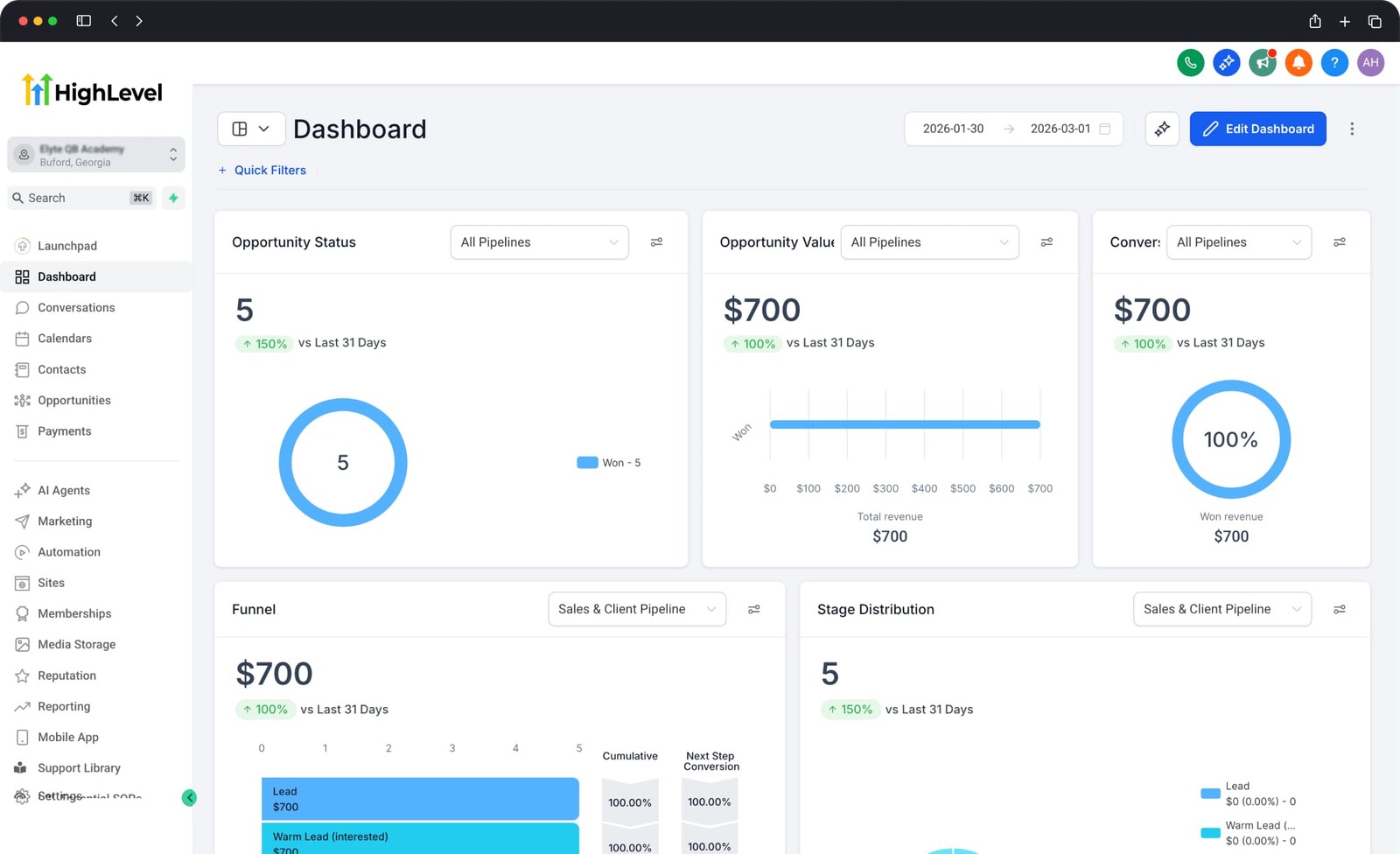
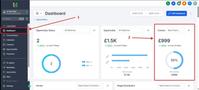
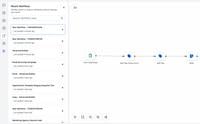
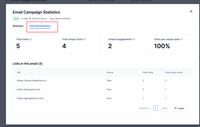
Reference visuals are selected from the approved implementation library. They illustrate platform interfaces and workflows, not authenticated client exports or a claim of identical results.
Premium presentation, evidence-safe publishing.
Every case-study page needs to distinguish what was built, what was measured, and what still requires permission or verification.
Business context and delivery focus are taken from the supplied GHL CRM Audit & Repair portfolio entry.
The page explains intake, routing, follow-up and outcome visibility without presenting a schematic as a live dashboard.
Any performance claim remains source-based or illustrative until independent, native evidence is approved.
Confirm permission for logos, client names and customer-facing evidence before public promotion.
Use only an approved, redacted native report if an implementation view is later added.
Test links, mobile layout, contrast, alt text and public-claim wording before publication.
Proof first. Testimonial when approved.
No client testimonial applies to this illustrative workflow. The slot remains reserved for future, approved platform or implementation feedback.
Awaiting approved testimonialAdd only after written permission and exact wording are confirmed.
This is an illustrative workflow page; it does not claim a named client result or live account data.
Illustrative systemThe page keeps its evidence boundary visible by design.
What a GoHighLevel CRM audit and repair should include
If your ads, forms, calls and appointments generate enquiries but opportunities disappear between inboxes, an audit should trace the complete path from first contact to an accountable next action. This is a service-checklist framework, not a claim that the example images on this page represent a live client account.
- Lead intake and attribution: inspect website forms, Facebook and Instagram lead forms, call tracking, source fields, contact creation and duplicate handling. Check whether Meta-to-CRM handoffs reach the intended pipeline.
- Pipeline and ownership: verify stages, opportunity assignment, uncontacted-lead alerts, status changes and handoff rules. Flag contacts with no next owner or activity.
- Workflow repairs: review triggers, filters, consent and opt-out handling, SMS/email timing, missed-call text-back settings, appointment confirmations and failure paths. Test changes with non-customer records before applying them to live leads.
- QA and reporting: document the issue, expected behavior, test result and responsible owner; monitor lead response, appointment status and workflow errors after launch.
What you should receive from a CRM repair engagement
A prioritised audit summary, a repair plan, clear responsibility for each fix, test evidence and a practical monitoring handover. The exact scope depends on your GoHighLevel configuration, integrations and consent requirements. For implementation options, explore GoHighLevel setup services, pipeline and lead nurturing and Meta-to-GoHighLevel integration.
READY TO BUILD THE NEXT VERSION?
